Selling During a Job Relocation: Timeline and Employer Assistance Programs
-
 Research Team
- 28 Oct, 2026
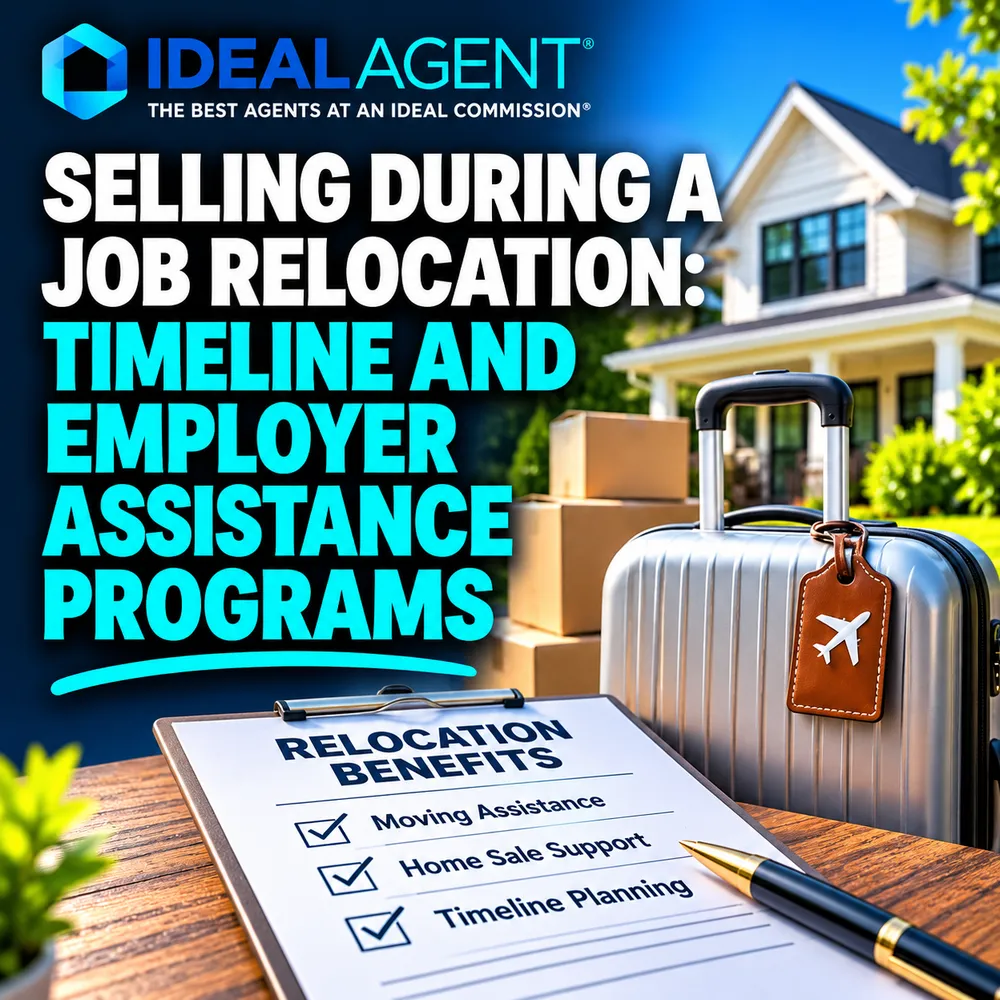
A job relocation puts a hard deadline on a sale that would normally run on your own schedule. You may have a start date, a lease on a temporary place, and a home that has to sell, all at once. The good news is that many employers help, and a clear timeline makes the whole thing manageable.
Short answer: When you’re relocating for work, start as early as you can, ideally three to six months before you need to move, and find out exactly what your employer offers before you list. Some employers provide home sale assistance, such as a buyout or a guaranteed offer program, along with temporary housing and moving help. Employer rules can limit which agent you can use and how you price the home, so read the relocation policy first. Treat relocation benefits as potentially taxable and confirm with a tax professional.
Why Is Selling During a Relocation Different?
You’re working against a date you don’t control. A new job start, a school year, or a lease can force a timeline, and you may be buying or renting in a distant market while selling in your current one. That pressure can lead to rushed pricing or poor decisions, which is why a plan and an accurate sense of local timing matter so much.
What Employer Assistance Might You Be Offered?
Relocation packages vary widely. Some employers provide a lump sum and leave everything else to you. Others manage the move through a relocation company and may offer home sale support, temporary housing, travel for house hunting, shipping of household goods, and help with closing costs. The details of the package, and any deadlines for using it, are in your relocation policy, so get it in writing before you make decisions.
| Benefit | What it typically involves |
|---|---|
| Lump sum | Fixed payment, you manage the move |
| Managed move | Employer or relocation company coordinates services |
| Home sale assistance | Support selling your current home, sometimes a buyout |
| Temporary housing | Short-term lodging in the new city |
| Moving and travel | Shipping goods and house-hunting trips |
What Are Buyout and Guaranteed Offer Programs?
Some corporate relocation programs include a guaranteed offer, where a relocation company offers to buy your home at a set price, often based on appraisals, if it doesn’t sell on the market within a defined period. Others use a buyer value option or a direct buyout. These programs can reduce the risk of carrying two homes, but they have rules about pricing, timing, and process, and they may require you to follow their steps in a specific order. Read the terms closely before you list.
Can You Choose Your Own Real Estate Agent?
It depends on the program. Some relocation companies require you to use agents from their network, while others allow you to choose your own, sometimes with conditions. If you want to use a particular agent, ask early, since listing with the wrong agent first could affect your benefits. If you’re free to choose, interview agents about local pricing, days on market, and how they’d handle a deadline.
How Should You Plan Your Timeline?
Work backward from your move date. Allow time to prepare and stage the home, time on the market, and the typical contract-to-close period in your local market. Many sellers start three to six months ahead. If your date is firmer than that, plan options for the gap, such as a rent-back agreement, temporary housing, or a flexible closing date.
What If the Home Doesn’t Sell Before You Have to Move?
Carrying two homes is the central risk of a relocation. Options include an employer buyout if available, a price adjustment, a rent-back arrangement that lets you move while closing later, or renting out the home temporarily. Each has trade-offs, and your agent’s read on current local timelines should drive the choice. Plan early so you aren’t forced into a rushed, discounted sale.
Are Relocation Benefits Taxable?
Under current rules, employer-paid moving benefits are generally treated as taxable income for most employees, though the rules have changed over the years and there are exceptions, such as for certain military and intelligence personnel. Confirm how your benefits will be reported with your employer and a tax professional. Separately, a sale of your home may qualify for the home sale exclusion if you meet the ownership and use tests, which can be affected if you leave before living there for two years.
How Should You Handle Selling From a Distance?
If you move before the home sells, you’ll need someone you trust locally. Choose an agent who communicates clearly, uses digital signing and virtual walkthroughs, and can coordinate vendors, staging, and showings. Make sure the home stays clean and maintained, and check on utilities and insurance. Vacancy can affect coverage, so tell your insurer if the home will be empty.
How Does Commission Affect Your Relocation Budget?
A move already costs money, and commission is one cost you can control.
| Traditional agent | IDEAL AGENT | You save | |
|---|---|---|---|
| Listing commission | 3% | 2% | 1% |
| Buyer’s agent commission | 3% | 2% | 1% |
| Total (if buyer has an agent) | 6% | 4% | 2% |
If a buyer comes directly through your agent’s own marketing, with no separate buyer’s agent, your total commission is capped at just 2% combined. IDEAL AGENT matches sellers with a top 1% local agent who can price and market to meet your deadline, at a 2% listing commission and a recommended 2-2.5% buyer’s agent commission.
Frequently Asked Questions
When should I list my house if I’m relocating?
Many sellers start three to six months before their move date, but your timeline depends on your market and your employer’s deadlines.
Does my employer help sell my house?
Some do, through a buyout or home sale assistance. Read your relocation policy.
Can I use my own agent in a corporate relocation?
It depends on the program, so ask before you list.
What is a guaranteed offer program?
A relocation program in which a company offers to buy your home at a set price if it doesn’t sell within a defined period, subject to program rules.
Are relocation benefits taxable?
Generally yes under current rules for most employees, but confirm with your employer and a tax professional.
What if my house doesn’t sell before I move?
You may use an employer buyout, a price adjustment, a rent-back, or a temporary rental, depending on your situation.
Can I sell my home from another city?
Yes, with an agent who communicates well and can manage showings, vendors, and signing remotely.
A relocation sale goes best when the plan starts before the deadline. Get matched with a top 1% local agent who can build a timeline around your move, listing for 2% commission.