Should You Rent Your Old Home Instead of Selling Before You Buy?
-
 Research Team
 - 27 Sep, 2026
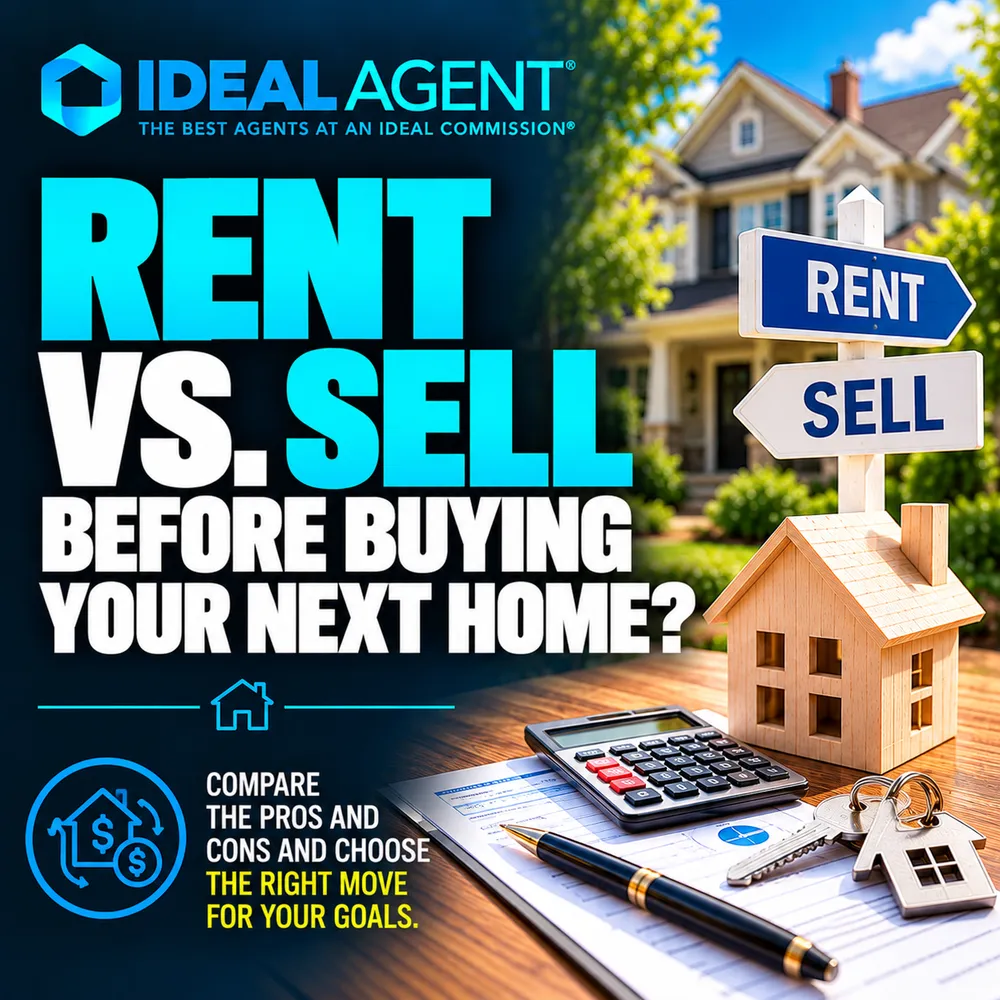
Keeping your current home as a rental instead of selling it can solve your buy-before-you-sell timing problem in a completely different way than a bridge loan or rent-back agreement — but it turns you into a landlord, with everything that comes with it, not just a seller waiting on a closing date.
Short answer: Renting out your current home instead of selling it can provide ongoing income and preserve a low mortgage rate you might not want to give up, but it also means qualifying for a new mortgage while still carrying your old one, taking on landlord responsibilities, and potentially delaying access to your home’s equity. Whether this makes more sense than selling depends heavily on your local rental market, your mortgage rate, your risk tolerance, and how much cash you need from your current home to fund your next purchase.
Why Would Renting Instead of Selling Ever Make Sense?
Several genuine reasons drive this decision for some sellers: a mortgage rate significantly below current market rates that’s worth preserving as a long-term asset, a rental market strong enough to generate meaningful positive cash flow after covering your mortgage and expenses, a desire to keep the property as a long-term investment or a potential future home for family, or simply not needing the equity from that home to fund your next purchase.
What Does Qualifying for a New Mortgage Look Like If You Keep Your Old One?
This is one of the biggest practical hurdles. Lenders generally need to see that you can afford both your existing mortgage and your new one, though some allow you to count a portion of projected rental income toward qualifying once you have a signed lease in place — specific rules vary by loan type and lender. Without that rental income offset, carrying two mortgages simultaneously can make qualifying for your next home considerably more difficult than if you’d sold your current home first and freed up that obligation entirely.
What Are the Real Costs of Becoming a Landlord?
Beyond the mortgage itself, expect ongoing costs like property maintenance and repairs, landlord insurance (typically more expensive than standard homeowners insurance), potential property management fees if you don’t want to handle tenant issues yourself, and the very real risk of vacancy periods where you’re covering the mortgage with no rental income at all. These costs should be built into your calculation honestly, not treated as a rounding error against the rental income you expect to collect.
Does Renting Preserve Tax Benefits Selling Would Eliminate?
This cuts both ways. Converting your home to a rental means you may eventually owe depreciation recapture tax when you do sell, and you generally lose access to the primary-residence capital gains exclusion once you’ve been out of the home long enough — this exclusion requires living in the home as your primary residence for 2 of the last 5 years, a window that starts closing the moment you move out and begin renting. If you’re planning to eventually sell the rental, understanding this tax trade-off with a tax professional before converting is important, not an afterthought.
How Does Rental Cash Flow Actually Compare to Selling?
Consider a home with a $2,200 monthly mortgage payment (including taxes and insurance) that could rent for $2,600 a month.
| Renting | Selling | |
|---|---|---|
| Monthly cash flow | ~$400/month before other expenses | N/A — one-time proceeds |
| Access to equity | Delayed, tied up in the property | Immediate, available at closing |
| Ongoing risk | Vacancy, repairs, tenant issues | None — transaction is complete |
| Long-term potential | Continued appreciation + eventual sale | Proceeds available to invest elsewhere now |
This simplified comparison leaves out financing costs, tax implications, and the value of your own time managing a rental — all of which should factor into your actual decision.
Does Keeping the Home as a Rental Affect Your Ability to Buy Your Next Home?
Potentially, yes — beyond the debt-to-income qualification challenge already discussed, tying up your equity in a rental property rather than accessing it through a sale means you may need alternative financing (savings, a smaller down payment, or other assets) to fund your next purchase, since you won’t have sale proceeds available at closing the way a seller would.
How Should You Decide Between Renting and Selling?
This decision benefits from running real numbers specific to your situation: your actual mortgage rate compared to current rates, a realistic rental income estimate for your specific property and neighborhood (not an optimistic guess), your full cost picture as a landlord, and how much you actually need in cash proceeds to fund your next purchase. A decision made on a rough feeling rather than real numbers is one of the more common regrets sellers report after converting a home to a rental.
Why Does an Accurate Sale Value Matter Even If You’re Leaning Toward Renting?
Knowing exactly what your home would sell for, and what you’d net after selling costs, gives you the real baseline to compare against your rental cash flow projections — without that number, you’re comparing a concrete rental estimate against a vague guess at what selling might have gotten you.
IDEAL AGENT matches sellers weighing this decision with a top 1% local agent who can give you an accurate current market value and realistic net proceeds estimate, so you’re comparing the rental option against real numbers rather than assumptions. That agent lists your home for a firm 2% commission, well below the 2.5–3% many sellers pay with a traditional agent, if you do decide selling is the better path. The recommended buyer’s agent commission is 2%–2.5%, and if a buyer comes directly through that agent’s marketing of your home, your total commission is capped at 2% combined for both sides.
Frequently Asked Questions
Can I count future rental income to help qualify for my next mortgage?
Some lenders allow this once you have a signed lease in place, though specific rules and required documentation vary by loan type and lender.
Does renting out my home affect my capital gains tax exclusion if I sell later?
Yes — the primary-residence exclusion generally requires living in the home for 2 of the last 5 years, a window that starts closing once you move out and begin renting.
What’s a realistic estimate of landlord costs beyond the mortgage?
Budget for maintenance, landlord insurance, potential property management fees, and vacancy periods — these add up and should be included in any honest cash flow projection.
Is keeping a low mortgage rate always worth the hassle of becoming a landlord?
Not automatically — it depends on how large the rate difference is, how strong your local rental market is, and how much ongoing responsibility and risk you’re genuinely willing to take on.
Does renting my home delay my ability to buy my next one?
It can, since you may not have sale proceeds available to fund your next purchase and may face more difficult mortgage qualification carrying two properties simultaneously.
Should I hire a property manager if I decide to rent instead of sell?
This depends on your capacity and willingness to handle tenant issues, maintenance calls, and vacancy turnover yourself — many landlords new to renting find professional management worth the fee, at least initially.
How do I get an accurate comparison between renting and selling my specific home?
Request a current market value and net proceeds estimate from a local agent, and get a realistic rental income estimate for your specific property — comparing real numbers on both sides, not assumptions.
Whether you rent or sell, starting with an accurate number for what your home is actually worth is the foundation of a good decision. Get matched with a top 1% local agent who can give you that number and list your home for 2% commission if selling is the right call.