Home Inspection Guide: What Sellers and Buyers Need to Know
-
 Research Team
 - 08 May, 2026
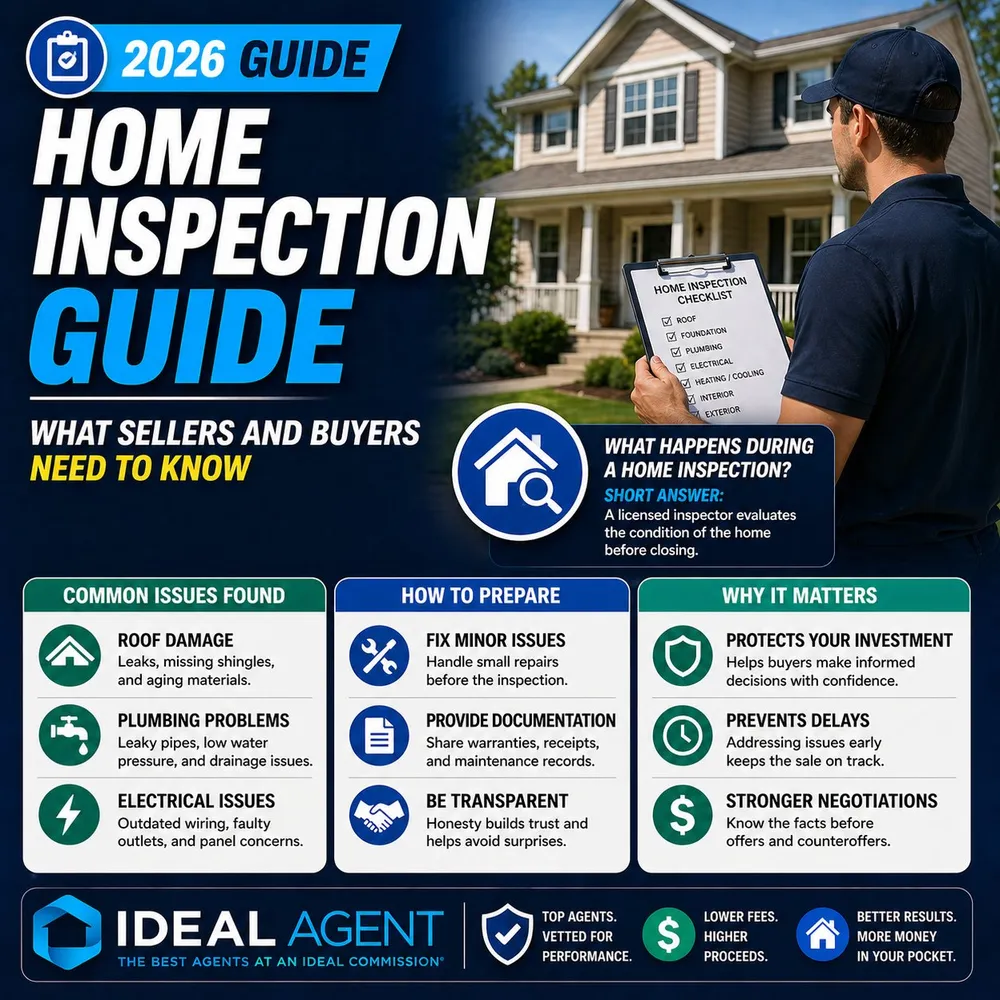
The home inspection is one of the most important steps in any real estate transaction — and one of the most misunderstood. Sellers fear it. Buyers rely on it. Deals get killed by it. And yet most people entering a transaction don’t fully understand what inspectors look for, what they find, and most importantly, how to respond strategically to what they discover.
This guide covers the home inspection from both sides of the transaction.
What Is a Home Inspection?
Short answer: A home inspection is a professional, visual evaluation of a property’s condition, conducted by a licensed inspector, typically on behalf of the buyer after an offer is accepted. The inspector’s job is to identify material defects — not cosmetic issues — so the buyer can make an informed decision about whether to proceed, renegotiate, or walk away.
Why Home Inspections Matter
For buyers: An inspection is your opportunity to understand exactly what you’re buying. Hidden defects, aging systems, and deferred maintenance that aren’t visible during a showing can become expensive surprises after closing. The inspection gives you the information — and the negotiating leverage — to address significant issues before you’re legally obligated to close.
For sellers: The inspection is your opportunity to identify and address issues before they kill your deal or cost you more in buyer demands than they would have cost to fix preemptively. Sellers who go in knowing their home’s condition are in a far stronger negotiating position than those who are blindsided by the report.
What Home Inspectors Evaluate
A standard home inspection covers the following systems and components:
Structural components:
- Foundation (visible portions)
- Framing, walls, floors, and ceilings
- Roof structure
Roofing:
- Roof covering condition and estimated remaining life
- Flashing, gutters, and downspouts
- Chimney and skylights (if present)
Exterior:
- Siding, trim, and paint
- Windows and doors
- Grading and drainage (does water drain away from the foundation?)
- Driveway, walkways, and steps
Plumbing:
- Supply and drain lines (visible)
- Water heater age and condition
- Fixtures and faucets
- Water pressure
- Signs of leaks or prior water damage
Electrical:
- Main panel and sub-panels
- Wiring types (knob-and-tube, aluminum, and similar are flagged)
- GFCI protection in wet areas
- Smoke and carbon monoxide detector locations
HVAC:
- Heating and cooling equipment age and condition
- Furnace/heat pump operation
- Ductwork (visible)
- Air conditioning operation (if temperature permits testing)
Interior:
- Insulation and ventilation in attic and crawl space
- Evidence of moisture, mold, or water intrusion
- Stairways, railings, and safety items
Appliances:
- Built-in appliances included in the sale (dishwasher, range, garbage disposal)
What inspectors do NOT evaluate:
- Cosmetic issues (paint, flooring finish, minor dents)
- Items behind walls, underground pipes, or in inaccessible areas
- Environmental hazards (radon, asbestos, lead paint) — these require separate specialized testing
Common Issues Found in Home Inspections
Inspectors find something on virtually every property — that’s their job. Here’s what comes up most frequently:
Roof issues: Missing or damaged shingles, worn flashing, deteriorating sealant around penetrations, gutters needing cleaning or replacement. Roofs are age-sensitive — inspectors note remaining useful life.
Water intrusion and moisture: Evidence of past or current leaks in the basement, crawl space, attic, around windows, or under sinks. Water damage is one of the most common and consequential findings.
Electrical concerns: Outdated panels (Federal Pacific, Zinsco), double-tapped breakers, missing GFCI protection in bathrooms and kitchens, aluminum wiring, improper connections in junction boxes.
HVAC age and condition: Systems more than 15–20 years old are typically flagged as reaching end of useful life, even if currently functional.
Plumbing issues: Polybutylene pipe (a problematic material used in homes built 1978–1995), galvanized steel pipe in older homes, slow drains, water heaters over 10–12 years old.
Foundation and structural concerns: Cracks in foundation walls, evidence of settling, bowing walls. True structural issues are relatively uncommon but high-priority when found.
Safety items: Missing handrails, improper stair risers, inoperable smoke detectors, CO detector absence, missing GFCI protection.
Deferred maintenance: Caulking around tubs and windows, minor rot on exterior trim, paint peeling on exterior surfaces — individually minor, collectively significant as a signal of overall maintenance.
How Long Does a Home Inspection Take?
| Home Size | Typical Duration |
|---|---|
| Under 1,500 sq ft | 1.5–2 hours |
| 1,500–2,500 sq ft | 2–3 hours |
| 2,500–4,000 sq ft | 3–4 hours |
| 4,000+ sq ft | 4+ hours |
The inspector then produces a written report — typically delivered within 24 hours — with findings, photos, and recommendations. Reports commonly run 30–80 pages for average homes.
What to Do After the Inspection — For Sellers
If You Got a Pre-Listing Inspection
A pre-listing inspection is one of the smartest moves a seller can make. It costs $300–$600 and tells you your home’s condition before any buyer finds out — giving you the opportunity to:
- Fix significant issues before they become negotiating leverage against you
- Price your home accurately reflecting its actual condition
- Disclose known issues (which you’re legally required to do anyway) from a position of transparency rather than defensiveness
- Avoid the deal-killing surprise of a buyer discovering a major issue mid-transaction
Responding to a Buyer’s Inspection Report
After a buyer’s inspection, you’ll typically receive a repair request list within the inspection contingency period (usually 5–14 days). How you respond matters enormously.
What you should address:
- True safety issues (inoperative smoke detectors, exposed wiring, CO hazards)
- Significant mechanical failures (HVAC not functioning, major plumbing leaks)
- Items that would complicate financing (roof with minimal remaining life, significant water intrusion)
What you can reasonably decline:
- Cosmetic issues the buyer noted (paint, minor scratches, dated fixtures)
- Normal wear-and-tear items
- Items you’ve already disclosed
- Issues the buyer was aware of at the time of offer
Credit vs. repair: In most cases, offering a closing credit rather than making repairs yourself is advantageous. Buyers often prefer to choose their own contractors, and you avoid the risk of additional discoveries during repair work. Discuss the credit vs. repair decision with your agent for each item.
The strategic approach: Don’t treat inspection negotiations as adversarial. The buyer wants to close. You want to close. Most inspection negotiations are resolvable. Your agent should help you identify which requests are reasonable, which are excessive, and how to respond in a way that keeps the deal together without capitulating unnecessarily.
What to Do After the Inspection — For Buyers
Review the Report With Your Agent
A 50-page inspection report can look alarming even for a well-maintained home. Your agent should help you distinguish between:
- Material defects: Issues that significantly affect value, safety, or habitability (structural problems, major system failures, water intrusion)
- Routine maintenance items: Things that need attention but are normal for a home of this age (caulking, minor repairs, aging appliances)
- Informational notes: Observations the inspector flagged for awareness but that don’t require immediate action
Not everything in the report requires action. Focus on what matters.
Decide What to Request
Your repair request should focus on significant issues — not a laundry list of every item in the report. Sellers who receive demands for 30 items sometimes walk away or dig in; sellers who receive requests for the 4 genuinely significant items usually resolve them. Pick your battles strategically.
Know When to Walk Away
If the inspection reveals material defects that the seller won’t address and that fundamentally change your assessment of the home’s value or the cost of ownership, you have the right to terminate the contract during the inspection contingency period and recover your earnest money.
Not every deal should close. The inspection exists to give buyers a real look at what they’re buying — use it.
Frequently Asked Questions
Who pays for the home inspection?
The buyer pays for the inspection — typically $300–$600 depending on home size and location. This cost is non-refundable whether or not the deal closes.
Should sellers get a pre-listing inspection?
Yes, in most cases. A pre-listing inspection ($300–$600) gives sellers the information they need to price accurately, fix issues proactively, and avoid the deal-disrupting surprise of a buyer’s inspection revealing something major. The cost is almost always worth it.
What if the inspector misses something?
Inspectors are licensed professionals, but they can only evaluate what’s visible and accessible. They are not liable for items behind walls, underground, or otherwise inaccessible. Buyers who discover issues after closing that were not discoverable during a standard inspection generally have limited recourse against the inspector. This is why buyers should also review seller disclosure statements carefully.
Can a buyer do their own inspection?
Buyers can bring any inspector they choose — the buyer selects and hires the inspector, not the seller or agent. Buyers should hire a licensed inspector with specific experience in residential home inspection. Ask for a sample report before hiring to evaluate the quality and detail of their work.
Is an inspection required?
No — inspections are not legally required in most transactions. But buyers who waive the inspection contingency are taking on the risk of discovering material defects after closing with no recourse. In competitive markets, some buyers waive inspections to make offers more attractive to sellers. This is a significant risk decision that should be made carefully.
What is a sewer scope inspection?
A sewer scope is a separate inspection (typically $150–$300) in which a camera is run through the main sewer line to check for blockages, root intrusion, pipe collapse, or other issues. It’s not included in a standard home inspection and is recommended for older homes or those with large trees near the sewer line. Sewer line replacement can cost $5,000–$20,000+ — making this a worthwhile add-on.
Selling your home and want to handle the inspection process with confidence? IDEAL AGENT matches you with a top 1% local agent who will guide you through the inspection and negotiate repair requests strategically. Get matched free today.