Understanding the Closing Disclosure: A Line-by-Line Guide for Sellers
-
 Research Team
 - 06 Aug, 2026
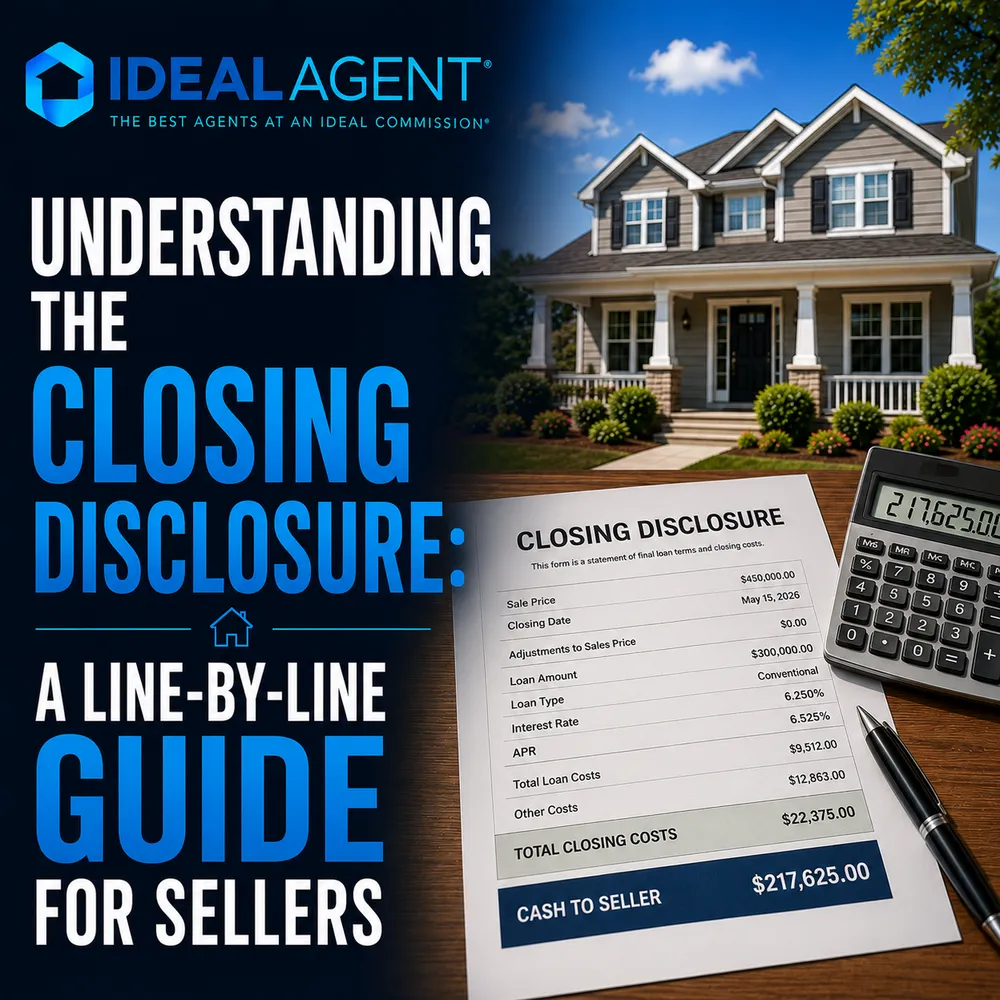
The closing disclosure is the document that turns every estimate you’ve received during your sale into final, binding numbers — and most sellers see the version specific to their side of the transaction for the first time only days before closing.
Short answer: The Closing Disclosure is a standardized form that itemizes the final financial terms of your transaction — sale price, loan payoff, commission, fees, prorations, and your net proceeds. Sellers typically receive theirs shortly before closing, and reviewing it carefully against your expectations is one of the most important steps before you sign.
Where Does the Closing Disclosure Come From?
For financed transactions, the Closing Disclosure format was standardized under federal mortgage disclosure rules, primarily to give buyers a clear, consistent breakdown of their loan terms. Sellers typically receive a separate seller’s closing statement (sometimes called a settlement statement) prepared by the title or escrow company, which mirrors the same level of detail specific to the seller’s side of the transaction.
What Are the Major Sections You’ll See?
| Section | What it shows |
|---|---|
| Sale price | The final agreed purchase price |
| Loan payoff | Your remaining mortgage balance being paid off at closing |
| Commission | Total real estate commission and how it’s split between listing and buyer’s agents |
| Closing costs & fees | Title fees, recording fees, transfer taxes, and other transaction costs |
| Prorations | Your share of property taxes, HOA dues, or other recurring costs up to the closing date |
| Credits | Any negotiated repair credits or concessions to the buyer |
| Net proceeds | The final amount you’ll actually receive at closing |
What Should You Check Line by Line?
Confirm the sale price matches your final accepted contract price and any amendments. Verify the mortgage payoff matches the payoff quote from your lender, not just your last statement balance — a stale figure can create a shortfall or overpayment. Confirm the commission rate and split match your signed listing agreement exactly, since this is one of the most important lines to verify given its direct effect on your proceeds. Check the math on property tax and HOA proration against your closing date and your county’s proration method. Make sure any repair credits or concessions match what was actually negotiated in writing, not a different figure. And confirm recording and transfer fees align with your state and county’s standard rates.
What Errors Do Sellers Commonly Catch by Reviewing Carefully?
Common errors include an outdated mortgage payoff figure that doesn’t reflect a recent additional principal payment, a commission split that doesn’t match the signed listing agreement, a proration calculated from the wrong closing date after a last-minute date change, a repair credit that was negotiated down further than what’s reflected in the final numbers, and duplicate or unexplained fees that weren’t part of your original cost estimate.
When Will You Receive Your Closing Disclosure?
Timing varies based on your state and whether an attorney, title company, or escrow company is coordinating your closing — but you should generally expect to see your closing figures at least a few days before your closing date, giving you time to review and ask questions rather than seeing final numbers for the first time at the signing table.
What Should You Do If Something Looks Wrong?
Don’t sign until you understand every discrepancy — you’re entitled to ask questions and get corrections before closing. Contact your agent immediately, since resolving a numbers discrepancy is exactly the kind of issue your agent should be actively helping you sort out, not something you should have to chase down alone. Compare the disputed figure against your listing agreement and any written amendments to confirm which number is actually correct. And request a revised disclosure if an error is confirmed, before you sign the final version.
Does the Buyer’s Closing Disclosure Affect Yours?
Not directly — buyers and sellers typically receive separate documents specific to their side of the transaction, even though both are generated from the same underlying sale terms. That said, if a figure that affects both sides changes — a renegotiated repair credit, for example — it should be reflected consistently across both documents. If you ever have reason to compare notes with the buyer’s side (through your agent, not directly), a mismatch on a shared line item is worth flagging immediately.
Can Numbers on the Closing Disclosure Still Change After You Receive It?
In limited circumstances, yes. Certain changes — like a corrected payoff amount, a last-minute repair credit adjustment, or a change to the closing date affecting prorations — can trigger a revised disclosure even after you’ve initially reviewed one. Significant changes may also affect your closing timeline, since some changes require an updated document to be issued and reviewed before signing can proceed. This is one more reason to review your disclosure promptly rather than waiting until the last possible moment before your scheduled closing.
Why Does This Document Deserve More Than a Skim?
The Closing Disclosure is where every negotiation, every estimate, and every prior conversation about your sale gets converted into final numbers. Reviewing it carefully — with someone who understands what each line should say — is one of the last, and most important, checks before your sale becomes final.
IDEAL AGENT matches sellers with a top 1% local agent who reviews your closing disclosure line by line before you sign, catching discrepancies before they become problems. That agent lists your home for a firm 2% commission, well below the 2.5–3% many sellers pay with a traditional agent, and if a buyer comes directly through that agent’s marketing of your home, your total commission is capped at 2% combined for both sides — full attention to the details that determine what you actually walk away with.
Frequently Asked Questions
When will I receive my closing disclosure?
Timing varies by state and closing method, but you should generally expect to see it several days before your scheduled closing, not the day of signing.
What if the commission on my closing disclosure doesn’t match my listing agreement?
Flag this immediately with your agent and the title or escrow company — this should be corrected before you sign, since it directly affects your net proceeds.
Is the seller’s closing disclosure the same as the buyer’s?
No — buyers and sellers typically receive separate documents reflecting the figures specific to their side of the transaction, though both stem from the same overall closing numbers.
Can I negotiate anything on the closing disclosure itself?
Generally no — the closing disclosure reflects terms that were already negotiated earlier in the contract and amendment process. Discrepancies should be corrected, but this isn’t the stage for new negotiations.
What happens if I find an error after I’ve already signed?
Contact your agent, attorney, or the title/escrow company immediately — post-closing corrections are possible in some cases but are more complicated and time-sensitive than catching an error beforehand.
Can my closing disclosure change again after I first review it?
Yes, in some cases — a corrected payoff figure, a last-minute credit adjustment, or a closing date change can all trigger a revised version. Review any updated disclosure just as carefully as the first.
Who prepares the seller’s closing disclosure?
Typically the title company, escrow company, or closing attorney handling your transaction prepares it, pulling final figures from your contract, lender payoff, and any negotiated amendments.
Reviewing your closing numbers carefully protects the outcome of your entire sale. Get matched with a top 1% local agent who reviews your closing disclosure closely and lists for 2% commission.